WHAT IS A FAIR FUTURE?
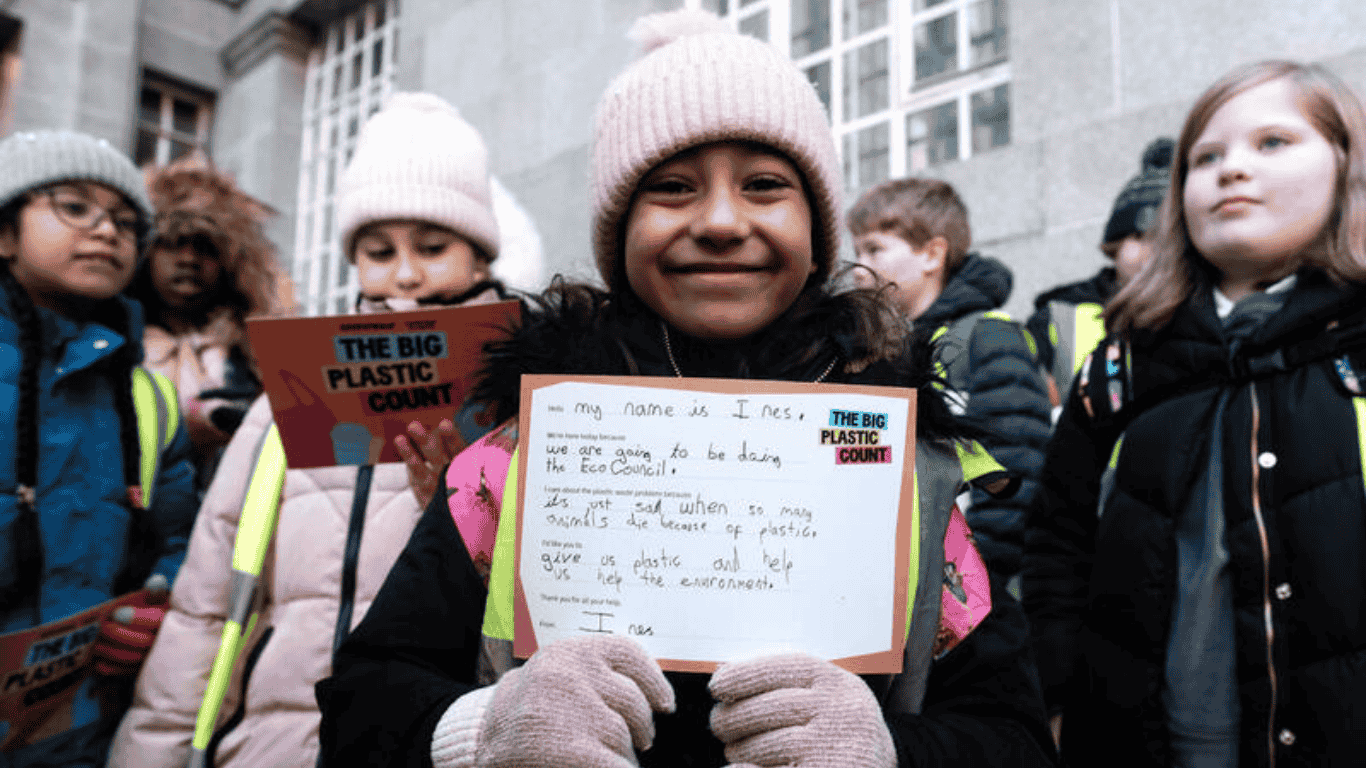
The Big Plastic Count imagines a fair future where everyone can take action on the plastics crisis, plus the wider problems it's linked to, like pollution and climate change. It’s a future that’s open to everyone, where people have the tools, confidence, and opportunity to make change.
A fair future means clean air, safe communities, and less plastic in our lives. It means that people left out of the conversation are leading it. It means making space for them to shape decisions, create solutions, and get the people in power to act.
PLASTIC IMPACTS OUR CLIMATE AND OUR COMMUNITIES
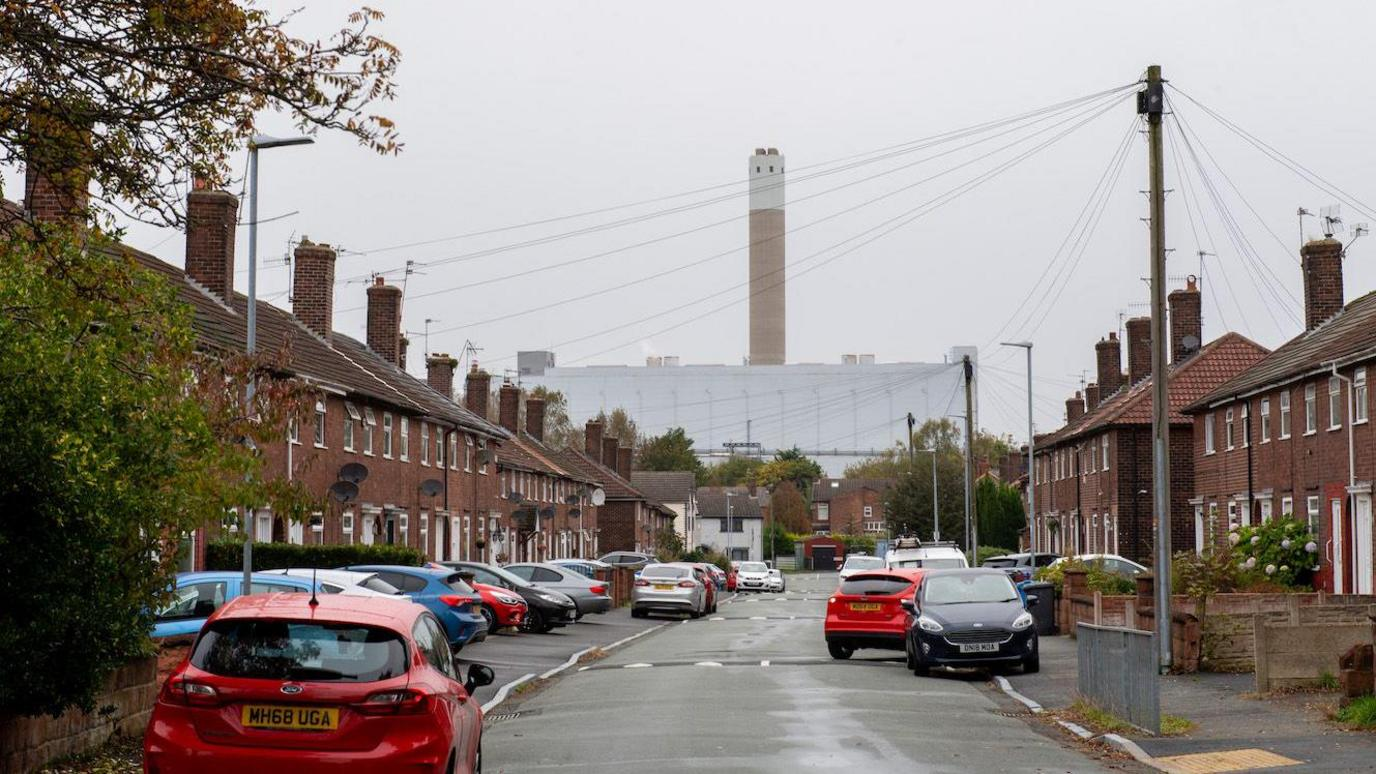
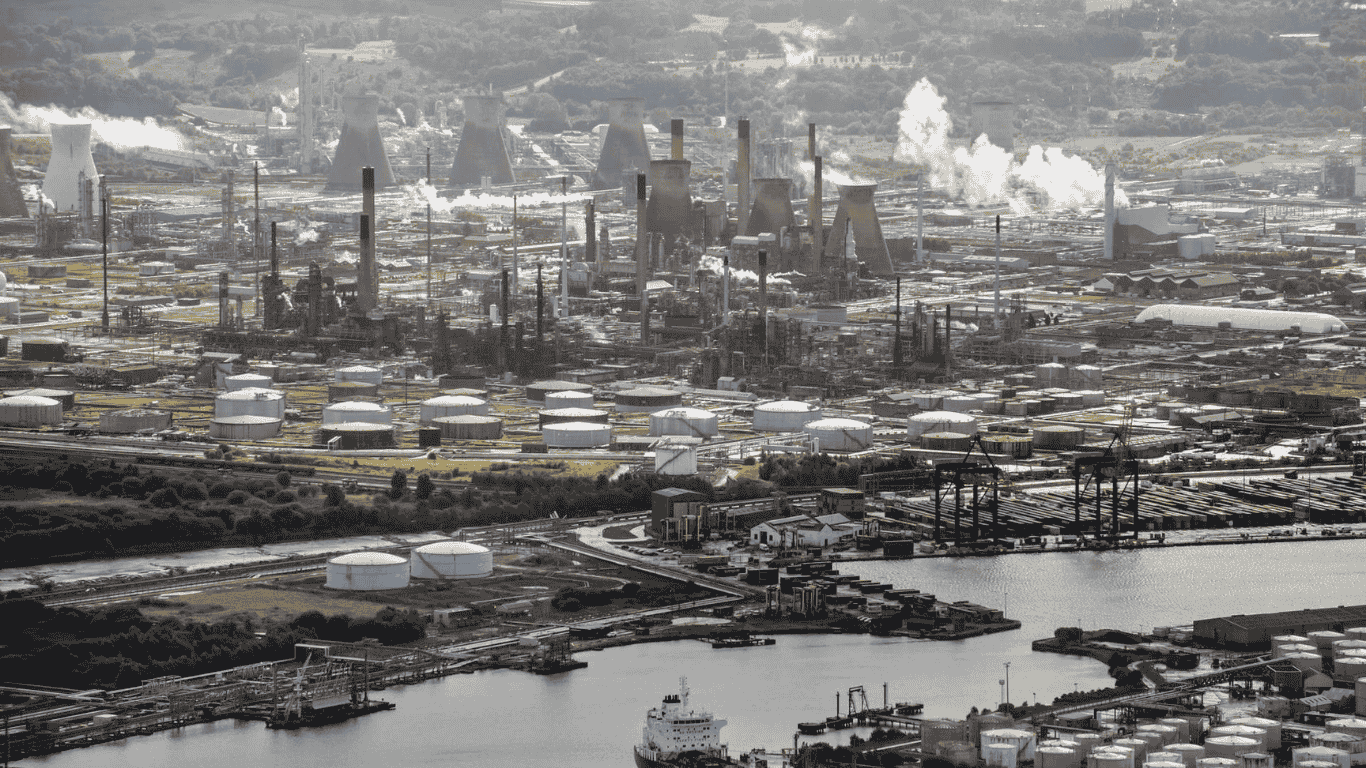
The Big Plastic Count has shown that most of our plastic isn’t actually recycled. The majority is burned in the UK.
Burning plastic waste is a big problem – it speeds up the climate crisis and pollutes the air. The sites that burn plastic are also ten times more likely to be in areas hit hardest by inequality.
This harms the health and wellbeing of the communities that live there. That means more air pollution, higher health risks, and less say over what happens in the places we call home.
THE REAL COSTS OF PLASTIC ARE NOT SHARED EQUALLY
The oil and gas industry is driving up plastic production and locking us into decades of damage. These companies are making huge profits from plastic. And they are pressuring politicians to protect those profits, even when it harms people.
But this damage doesn’t affect everyone equally. It often harms those already facing unfairness and exclusion. If we don't fix the system, the same patterns of inequality will keep repeating.That’s why this project centres the voices and experiences of those most affected. That way, the solutions we work towards will benefit everyone.
HOW WE'RE WORKING WITH OUR PARTNERS AND COMMUNITIES
We’ve made progress tackling the plastics crisis. But as a movement, we need to be honest with ourselves: some communities have been excluded. We're committed to making sure everyone can take part and feel represented.
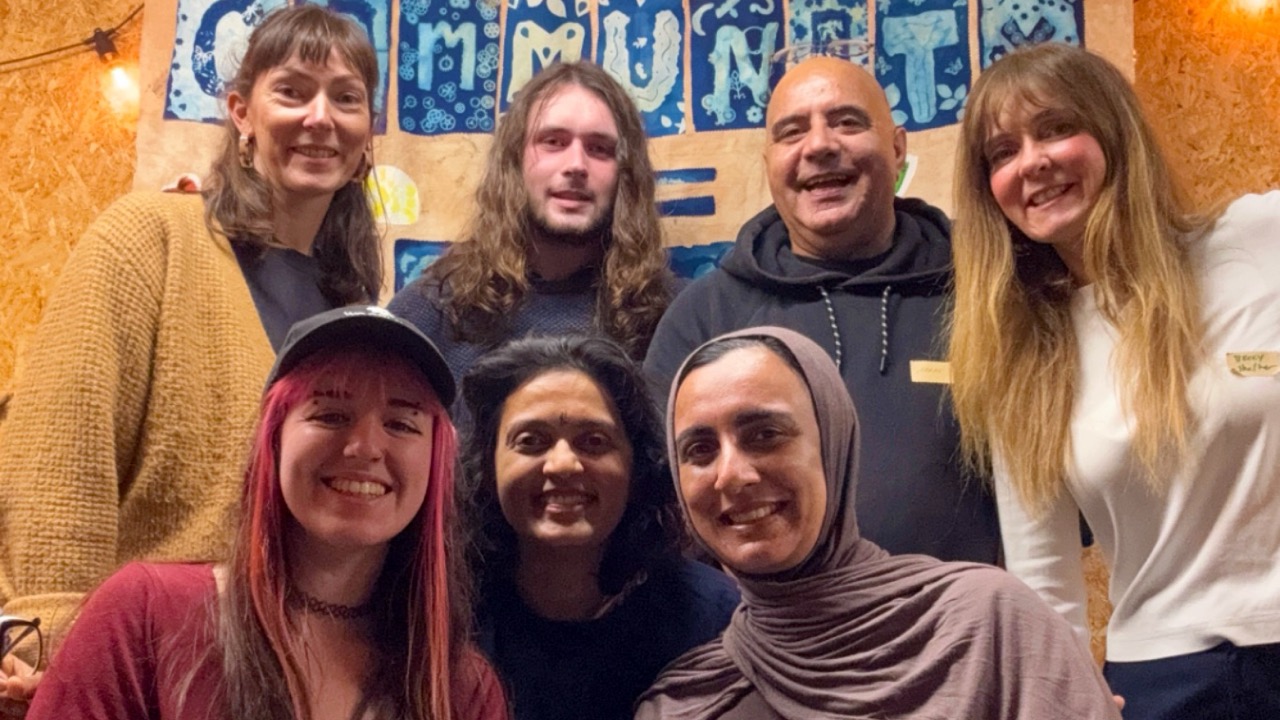
That's why we've developed Advisory Groups in places most affected by plastic waste. Our Advisory Group members live near waste-burning sites, and/or in underrepresented communities. Together, we’re passing the mic to new storytellers and making the work we do as fair and inclusive as possible.
GOT A QUESTION?